Executive Summary: Modern cloud security has moved beyond the perimeter. Success now depends on a layered strategy focusing on Identity, Visibility, and Continuous Monitoring across SaaS and multi-cloud infrastructures.

The Growing Cloud Risk Landscape

As organizations migrate sensitive data to the cloud, the attack surface has expanded far beyond traditional boundaries. Recent research highlights a stark reality:

83%
of companies experienced a serious cloud security incident in 2024.
88%
of cloud breaches involve human error or misconfigurations.

8 Core Cloud Security Tool Types

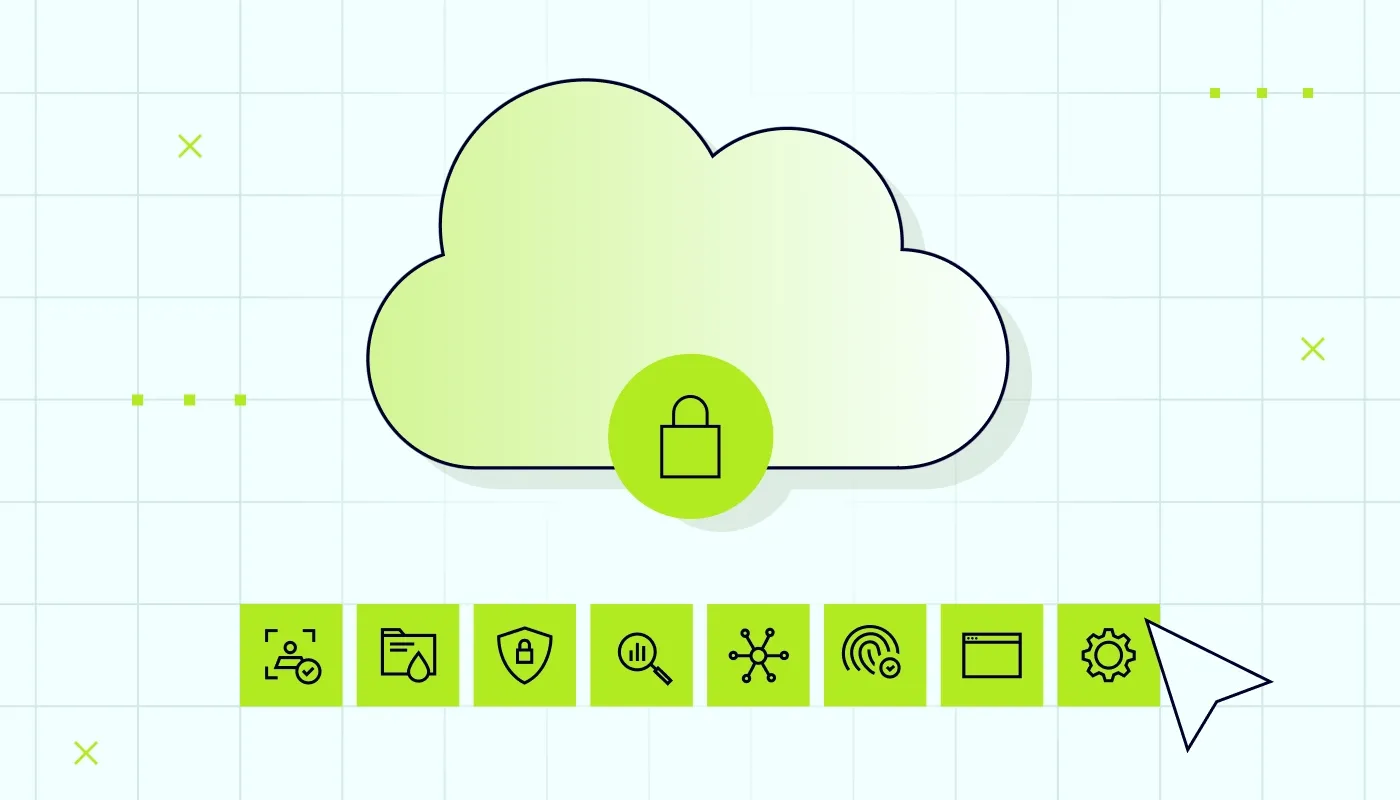
  • 1. IAM (Identity & Access Management): The new perimeter. Defines who can access what under specific conditions using MFA and Role-Based Access Control (RBAC).
  • 2. CASB (Cloud Access Security Broker): Acts as a policy enforcement bridge between users and SaaS providers, essential for managing “Shadow IT.”
  • 3. SASE/SSE: Converges networking and security into a single cloud-delivered model, securing remote traffic and DNS.
  • 4. Enterprise Browser: Secures work at the interaction level, isolating business data from personal web browsing.
  • 5. DLP (Data Loss Prevention): Protects sensitive intellectual property by monitoring data in motion and at rest across all platforms.
  • 6. CSPM (Cloud Security Posture Management): Proactively identifies misconfigured storage buckets and compliance gaps in cloud infrastructure.
  • 7. CIEM (Cloud Infrastructure Entitlement Management): Manages “permission sprawl” to ensure users only have the access they strictly require.
  • 8. CWPP (Cloud Workload Protection Platform): Focuses on runtime security for active workloads like containers, Kubernetes, and serverless functions.

Strategy for Implementation

Choosing the right tools requires an alignment with your operational reality. Key considerations include:

  • Visibility: Can the tool see across all multi-cloud and SaaS instances?
  • 擴展性: Does the solution grow with your data volume without increasing noise?
  • User Experience: Does the security layer impede productivity or provide seamless access?

How NordLayer Empowers Cloud Security

NordLayer facilitates a Zero Trust approach to cloud access. By focusing on identity-first security, NordLayer provides encrypted traffic, DNS filtering, and centralized policy enforcement that integrates seamlessly into SASE architectures.

Data referenced includes industry studies from 2023–2024 regarding global average breach costs (~$4.4M) and cloud configuration risks.