NordPass Q2 2026 Recap: Vault Upgrades and Password Hygiene




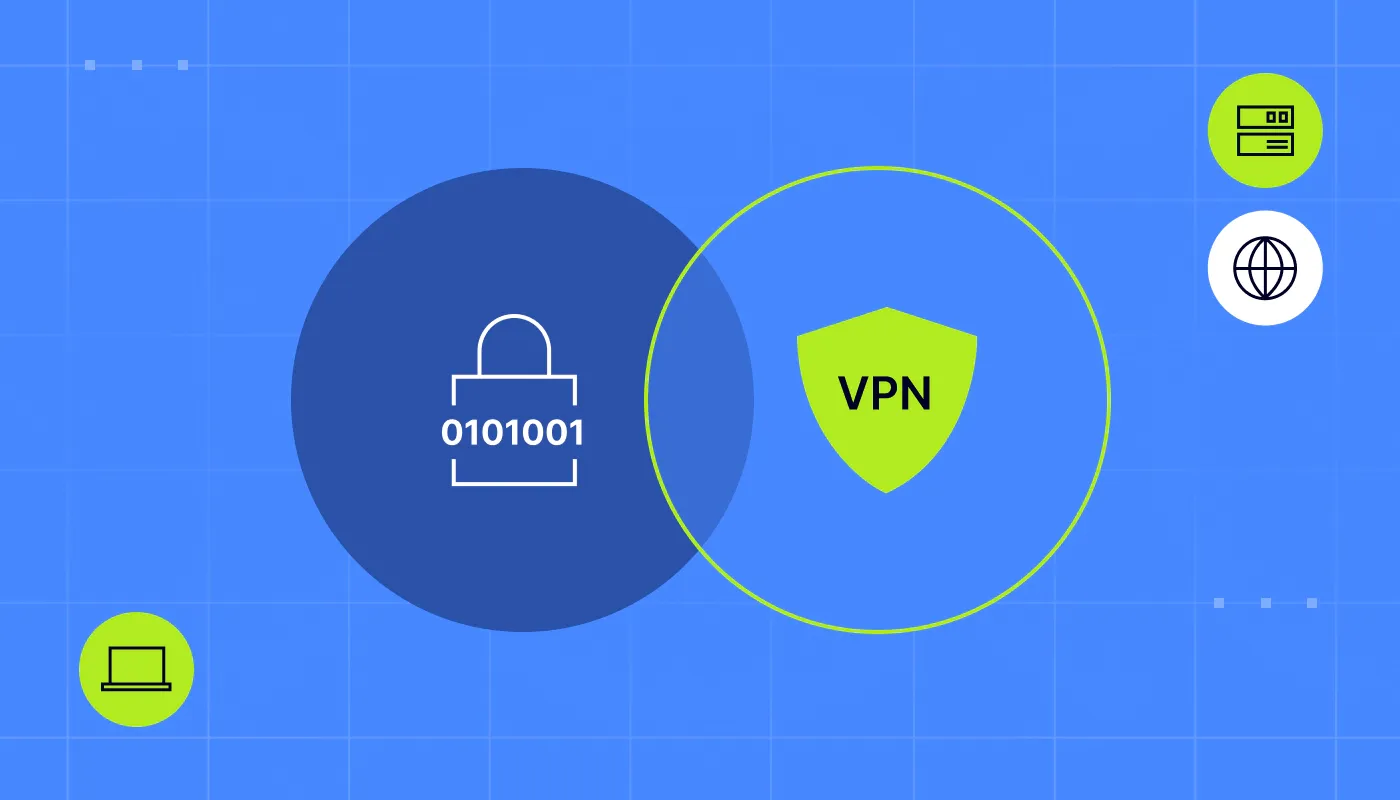
Executive Summary: An endpoint security VPN merges encrypted networking with rigorous device health assessments, ensuring that only verified, trustworthy devices can tap into corporate resources. NordLayer delivers the essential architecture and advanced feature set required to deploy this comprehensive security model effectively.
Allowing a device into your company’s network purely because it has an antivirus installed is as risky as trusting a connection just because it features encryption. In both scenarios, you are checking a single box and ignoring the broader risk landscape, essentially leaving your digital front door wide open.
With modern cyber threats attacking from every possible angle, relying on a solitary layer of defense is no longer viable. You require a holistic strategy that neutralizes multiple vulnerabilities simultaneously. This is exactly where an endpoint security VPN proves its worth.
An endpoint security VPN is a modern cybersecurity paradigm that fuses encrypted remote access with strict, localized device security controls. This ensures that hardware is thoroughly vetted for safety both before and during its connection to your corporate network.
In essence, it bridges two distinct cybersecurity disciplines: endpoint protection (which shields devices from threats and enforces corporate compliance) and a Virtual Private Network (which establishes an encrypted tunnel between the device and your infrastructure).
The ultimate objective? To guarantee that sensitive company data is only accessible to trusted devices meeting strict security benchmarks, and to maintain that protective wrapper for the entire duration of the session.
This robust setup typically hinges on three interconnected components, each handling a vital stage of the access process:
The standard workflow: When a user attempts to connect, the endpoint client first evaluates the device against the company’s strict security prerequisites. Next, the user is authenticated. Only when both the device and the identity pass these checks does the gateway establish the encrypted tunnel. If any check fails, access is instantly denied, preventing any exposure of sensitive data.
Building on this foundational architecture, NordLayer provides a suite of advanced features designed to bring the endpoint security VPN model to life.
No cybersecurity measure is completely bulletproof. Endpoint security VPNs have a few known weak points that require careful management:
While both solutions encrypt your connection, the similarities end there.
A traditional VPN cares only about the connection. It validates the user’s login, creates the tunnel, and blindly trusts whatever is on the other side. A malware-ridden laptop gets the exact same access privileges as a fully secured machine, provided the username and password are correct.
An endpoint security VPN scrutinizes both the connection and the device. By layering encryption with continuous posture assessments and on-device protections, network access becomes contingent on overall device health, not just a set of stolen credentials.
| Feature | Traditional VPN | Endpoint Security VPN |
|---|---|---|
| Core Focus | Secures the network connection. | Secures the connection and ensures only trusted devices gain entry. |
| Device Trust | Blind trust; no checks performed. | Rigorously verified via posture checks before and during the session. |
| Threat Coverage | Only protects data in transit. | Protects both data in transit and the physical endpoint. |
| Monitoring Scope | Tracks identity and destination. | Tracks identity, device health, contextual factors, and destination. |
| Access Control | Dictated purely by user identity/credentials. | Dictated by user identity, real-time device compliance, and context. |
The conclusion is straightforward: modern network security demands more than just a safe connection; it requires robust safeguards placed directly on the connecting devices.
NordLayer unites these two critical security layers within a single, elegant platform. The remote access VPN locks down the connection, while the device posture security protocols ensure that hardware meets your compliance standards before granting entry. Furthermore, tools like download protection act as an active shield against threats targeting your most vulnerable access points.
This is just the beginning. NordLayer is equipped with a vast array of features designed to help you execute forward-thinking security frameworks like Zero Trust Network Access (ZTNA), Data Loss Prevention (DLP), and least-privilege access. Secure your organization’s future by exploring everything NordLayer has to offer.