


Perforce Strengthens Enterprise Java Support Offering With Spring LTS
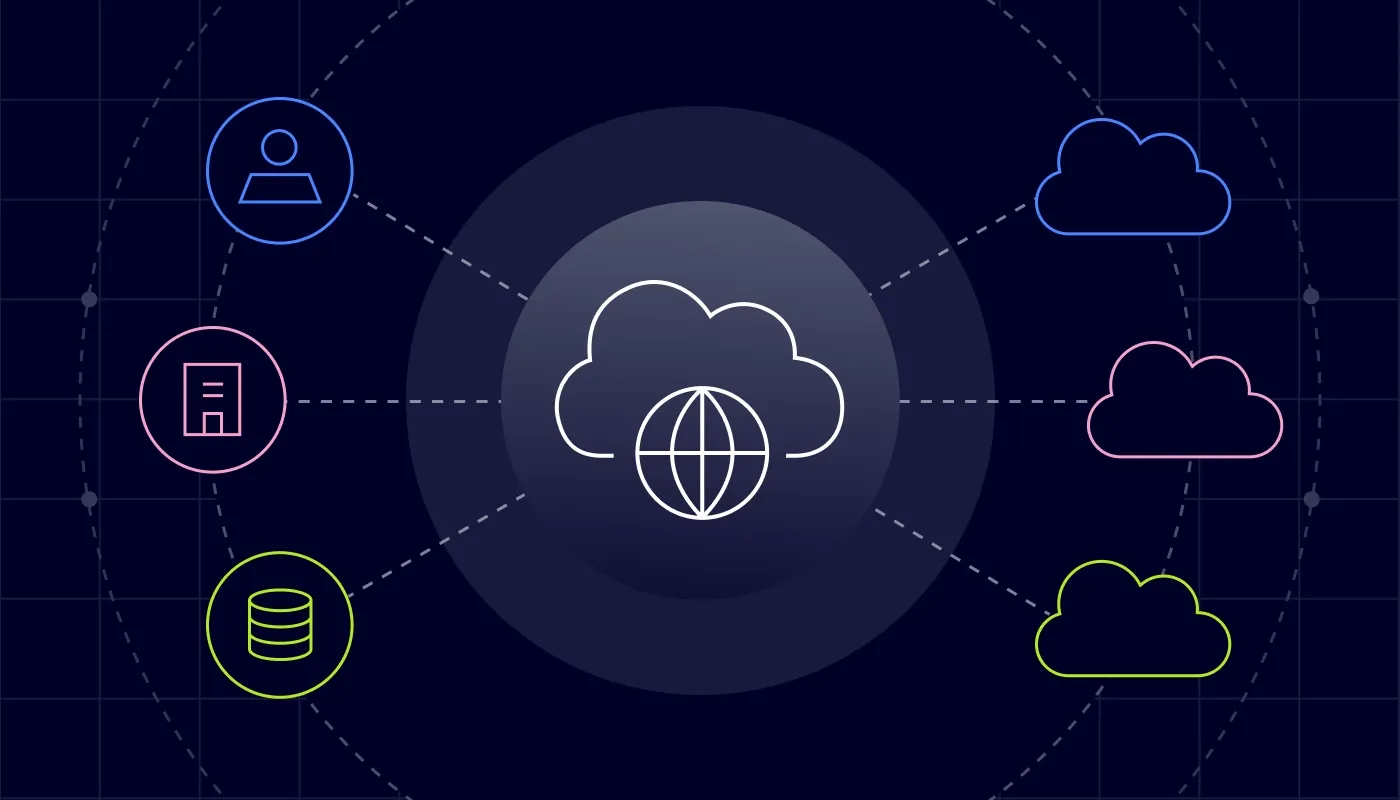
Your network is constantly transmitting data between users, applications, and the cloud. As digital tools and remote work reshape connectivity, organizations need more than traditional firewalls. Every unmonitored transfer creates a potential vulnerability for unauthorized access, hidden threats, and data leaks. A Cloud Security Gateway (CSG) serves as your digital checkpoint, inspecting every connection to enforce controls and maintain secure operations.
We’ll break down what a CSG is, how it functions, and why it’s vital for modern business resilience.
What is a Cloud Security Gateway?
A CSG is a network security service designed to filter, monitor, and control all data traffic flowing between endpoints, cloud services, and on-premises applications. It acts as an enforcement point, applying security policies, preventing data loss, and blocking external threats before they impact your systems.
Simply put, the gateway sits between your users and the internet. Every data request—whether browsing a website or accessing a SaaS platform—is routed through the CSG. It scans for malicious content, applies your organization’s compliance rules, and ensures only safe traffic is allowed. This solution frequently incorporates multiple security functions and is often referred to as a Secure Web Gateway (SWG) when delivered as a cloud service.
How Cloud Security Gateways Function
CSGs inspect and manage every data exchange, ensuring consistent protection for users regardless of their location. This process happens in real time:
- Traffic and Content Inspection: Every file and request is analyzed instantly. The system detects malicious content, phishing attempts, or policy violations before data can enter or leave the network.
- Policy Enforcement: The gateway applies your rules—such as blocking risky sites, limiting access to certain applications, and ensuring regulatory compliance is maintained.
- Threat Prevention: Using advanced analytics, it identifies suspicious activity, malware, and potential zero-day attacks, stopping them from spreading across the environment.
- Data Loss Prevention (DLP): It actively monitors sensitive information transmitted across the network, preventing unauthorized or accidental data leaks via uploads, email, or messaging platforms.
Core Features of a CSG
A secure cloud gateway integrates several functions that are crucial for protecting a modern, mobile workforce:
- URL and Content Filtering: Manages web access by allowing or blocking predefined website categories to mitigate threats and boost productivity.
- Application Control: Governs access and usage of cloud applications like Slack or Salesforce, ensuring only approved apps are active.
- Malware and Phishing Protection: Scans all files and links for malicious code, providing real-time threat prevention.
- SSL/TLS Inspection: Decrypts encrypted web traffic to inspect for hidden threats, ensuring full visibility across all data channels.
- DLP Capabilities: Prevents sensitive corporate data from unintentionally exiting the network, which is vital for regulatory compliance.
- User and Device Authentication: Verifies the identity and security posture of the device before access is granted, supporting secure hybrid work.
Top Implementation Scenarios for CSGs
A Cloud Security Gateway provides flexible protection across many common business challenges:
- 1. Secure Remote and Hybrid Teams: Ensures secure remote access and consistent protection across all devices and untrusted networks, giving IT teams full visibility into remote activity.
- 2. Protecting Cloud Workflows: Provides continuous monitoring of SaaS applications, preventing leaks and guaranteeing that sensitive files stay within approved environments.
- 3. Controlling Shadow IT: Detects and blocks unapproved cloud applications, helping IT administrators regain control, enforce security policies, and stop risky usage before a data breach occurs.
- 4. Improving Compliance Efforts: Generates detailed logging and reports on web activity, simplifying audits and ensuring that data protection policies are uniformly enforced across all users and regions (e.g., GDPR or HIPAA).
- 5. Advancing Threat Detection: Centralizes security services to collect traffic analytics, making anomalies easier to spot and allowing for more efficient, real-time incident response.
Measurable Business Benefits
CSGs deliver tangible value by improving security posture, streamlining IT operations, and enhancing user experience:
- Improved Security: Continuous scanning prevents malware, ransomware, and phishing across all internet access points.
- Enhanced Performance: Cloud-based solutions distribute filtering tasks across global networks, ensuring faster secure web access with minimal latency, even for remote users.
- Simplified Management: Centralizes control, allowing IT teams to enforce policies, generate compliance reports, and visualize network activity from a single dashboard.
CSG Limitations
A gateway is a robust security layer, but it is not an all-in-one solution:
- Limited non-web visibility: A traditional SWG focuses primarily on web traffic and cannot monitor all forms of internal app communication or unmanaged endpoints.
- Potential latency: Deep inspection (especially SSL/TLS) can sometimes introduce delays, though distributed cloud architectures work hard to mitigate this.
- Integration effort: Achieving full security requires proper configuration alongside identity management and endpoint security tools.